

 Introduction
In today's fast-paced digital landscape, food delivery platforms such as Zomato, Swiggy, Uber Eats, and others play a crucial role in connecting consumers with their favorite restaurants. For businesses, developers, and data enthusiasts, scraping data from these platforms can unlock valuable insights into market trends, customer preferences, and restaurant performance. This blog will explore how to scrape food delivery platforms effectively, focusing on the tools and techniques necessary for success.
Why Scrape Food Delivery Data?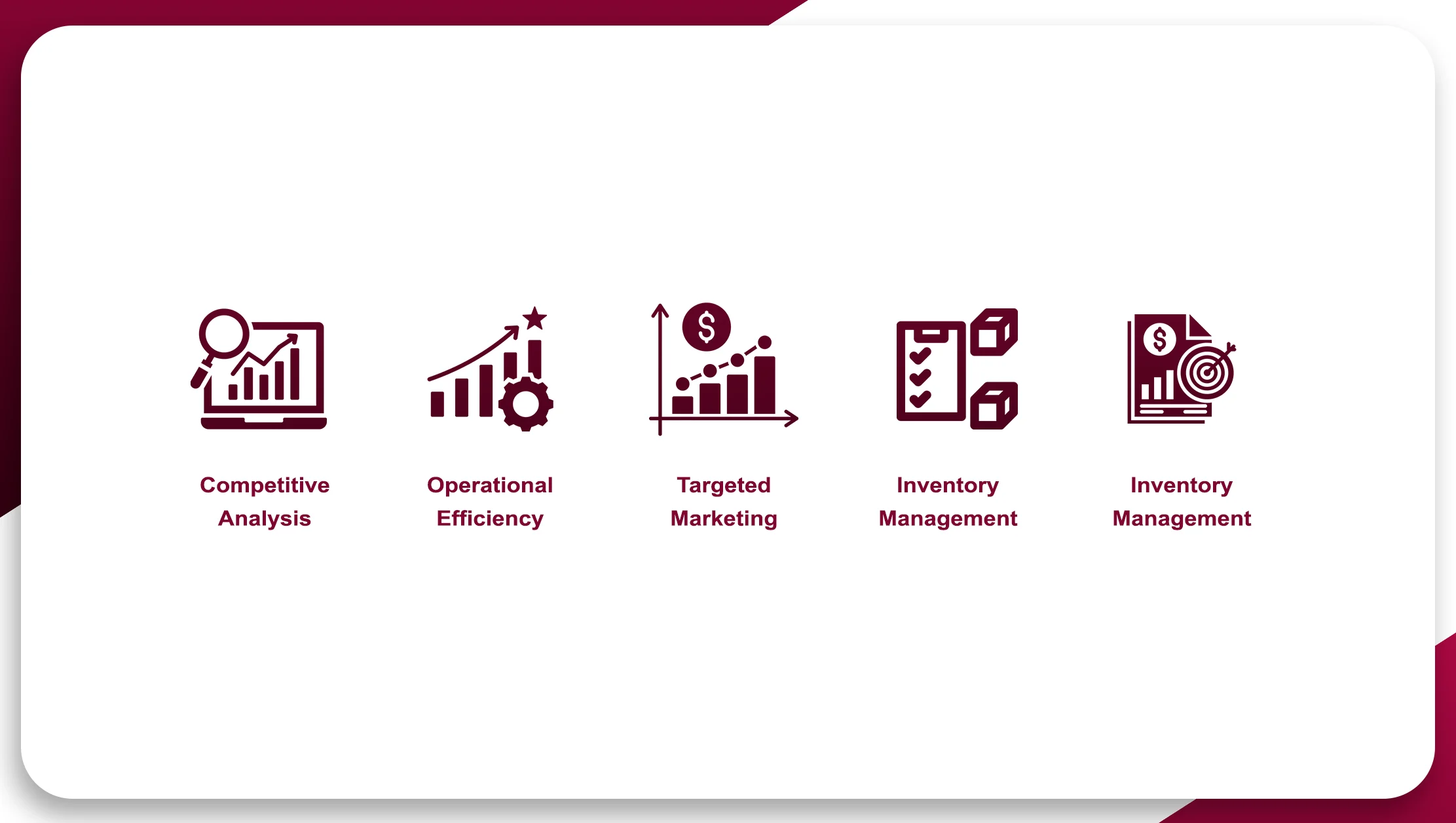
from platforms like Zomato, Swiggy, Uber Eats, FoodPanda, Grubhub, and many more will help the businesses stay updated with critical insights that would help them improve their operations and competitive positioning in this fast-changing food service industry. Here are a number of compelling reasons for undertaking this data scraping initiative.
Market Insights: By gathering data from these platforms, businesses can analyze trends in customer preferences, popular cuisines, and peak ordering times. Understanding what menu items are trending can help restaurants adapt their offerings to meet consumer demand, thereby increasing sales.
Competitive Analysis: Scraping data from food delivery platforms allows businesses to monitor competitor pricing, promotional offers, and customer reviews. This information is vital for making informed decisions about menu pricing, marketing strategies, and customer engagement. For instance, knowing how competitors like Domino's Pizza or DoorDash are performing can inform your business strategy and help you identify areas for improvement.
Operational Efficiency: Access to real-time data on delivery times, customer feedback, and order volumes enables restaurants to optimize their operations. For example, analyzing data from Deliveroo can help a restaurant adjust staffing levels during peak hours, improving service quality and customer satisfaction.
Targeted Marketing: Data scraping can facilitate targeted marketing campaigns. By understanding demographic data and ordering habits, restaurants can tailor their marketing efforts to specific customer segments, increasing the effectiveness of promotions and driving sales.
Inventory Management: Finally, data collected from food delivery platforms can assist in better inventory management. By tracking popular items and their sales velocity, restaurants can reduce waste and optimize stock levels, leading to improved profitability.
helps businesses extract data from various platforms like Zomato, Swiggy, Uber Eats, Grubhub, Postmates and many others, providing rich insights to support informed, data-driven decisions for better performance and growth.
Essential Tools for Web Scraping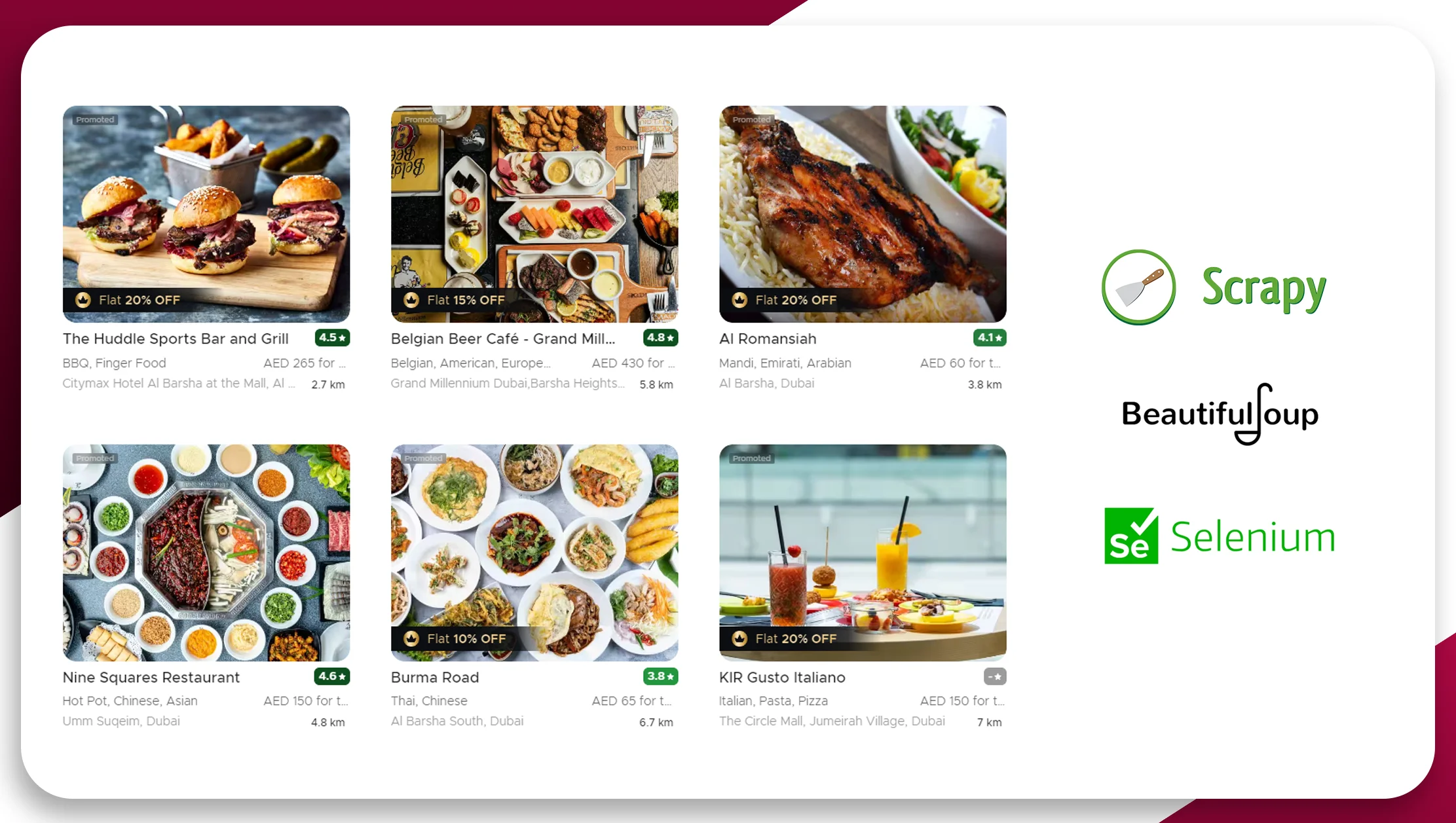

YOU ARE READING
How to Scrape Data from Multiple Food Delivery Platforms: A Complete Guide
Short StoryScrape data from multiple food delivery platforms, including menus, prices, ratings, and availability, for seamless analysis, comparison, and market insights.
